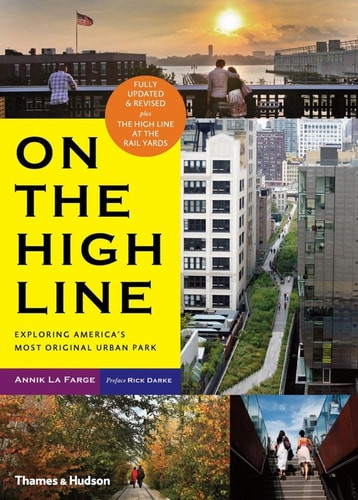
Description
"The High Line, an innovative promenade created on a disused elevated railway in Manhattan, is widely recognized as among the most iconic urban landmarks of the twenty-first century. It has stimulated public interest in landscape design while simultaneously re-integrating an abandoned industrial relic back into the everyday life of New York City. Since its opening in 2009, this unique greenway has exceeded all expectations in terms of attracting visitors, investment, and property development to Manhattan's West Side, and is frequently celebrated as a monument to community-led activism, adaptive re-use of urban infrastructure, and innovative ecological design. It has also inspired a worldwide proliferation of similar proposals seeking to capitalize on the repurposing of disused urban infrastructure for postindustrial revitalization. In the wake of an overwhelmingly celebratory public reaction to the transformation, this interdisciplinary book is the first to bring together scholars from the across the fields of architecture, urban planning and design, geography, sociology, and cultural studies to critically interrogate the aesthetic, ecological, symbolic, and social impact of the High Line. In so doing, the book addresses the High Line's relation to public space, creative practice, urban renewal, and gentrification."--Provided by publisher.